Icon Vector Flowers: A Designer’s Embroidery Review
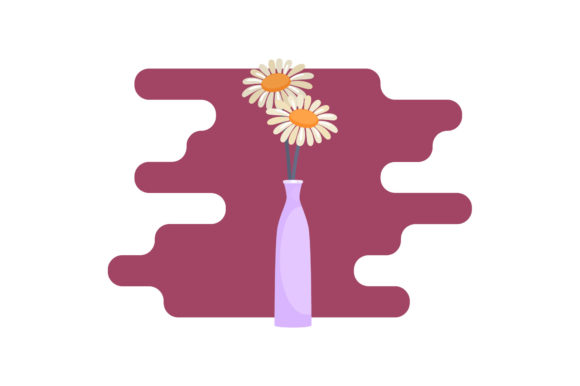
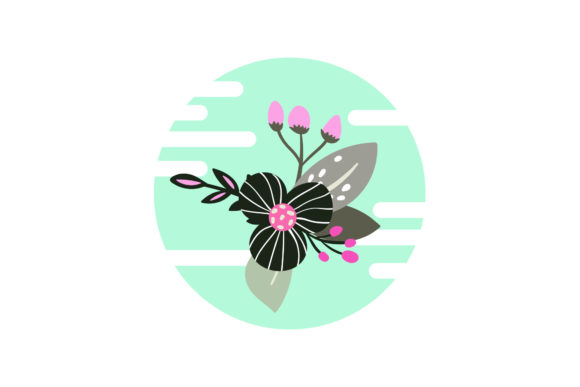
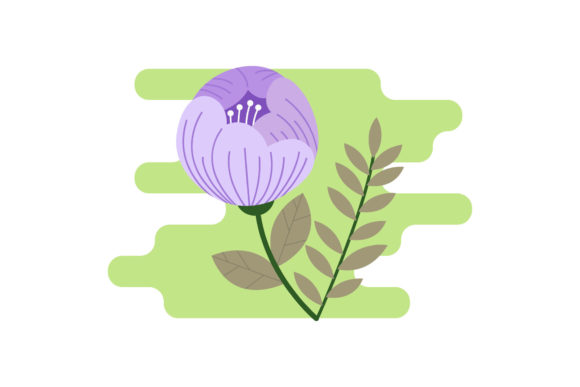
When I first pulled Icon Vector Flowers into my digitizing software, I didn’t just see a graphic; I saw a potential bestseller. As an experienced designer who spends half my life troubleshooting tension issues and the other half trying to make handmade products look professional, I approach every new asset with a mix of excitement and skepticism. This isn’t just about how pretty the image looks on a screen—it’s about how it translates to thread, fabric, and ultimately, customer satisfaction.
This review is for the embroidery designers, small business owners, Etsy sellers, and crafters who need to know if Icon Vector Flowers is worth the time to digitize or use as a base for your next collection. We are going to strip away the marketing fluff and talk about real-world application, stitching behavior, and commercial viability.
The First Impression: Mood and Visual Personality
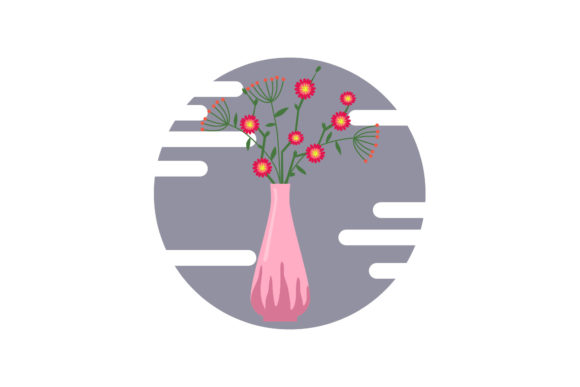
The moment you open the vector file, the clean lines and scalable nature of Icon Vector Flowers become immediately apparent. Because these are vector files, they are openable, editable, and resizable without losing quality. For an embroiderer, this is a massive advantage. It means you can tweak the spacing, adjust the scale for a specific hoop size, or simplify the negative space before you ever touch a needle.
Mood-wise, the design feels modern yet timeless. It doesn’t scream "trendy" in a way that will feel outdated by next season. Instead, it has a classic elegance that fits perfectly into the current market for minimalist home decor and understated apparel. The visual personality is balanced—detailed enough to hold interest but simple enough to stitch cleanly. It creates a mood of calm sophistication, which is exactly what buyers are looking for when they purchase personalized gifts or boutique items.
Real-Life Application: Where This Design Shines
I recently tested the concept of Icon Vector Flowers on a custom embroidered tote bag project. The goal was to create a versatile accessory that could serve as a daily carry item or a thoughtful gift. Here is how the design performed in practical scenarios:
- Custom Apparel and Sweatshirts: When placed on the chest of a heavyweight sweatshirt, the icon-style flowers provided a sharp focal point. The clean geometry of the vector translated well into satin stitches, creating a crisp outline that stands out against textured fabrics like fleece or cotton blends.
- Baby Items and Nursery Decor: The soft, rounded aesthetic of the flowers makes them ideal for baby clothes and nursery wall hangings. Because the design is scalable, I was able to shrink it down for a onesie pocket and expand it for a larger blanket border. The simplicity ensures that even intricate details don’t get lost in the softer, thinner fabric of infant wear.
- Kitchen Towels and Aprons: For craft business items like tea towels, the high contrast of the icon style works beautifully. It reads clearly from a distance, which is crucial for kitchen textiles. I found that using a single-tone fill stitch gave it a modern, graphic look that appealed to younger buyers looking for Instagram-worthy home goods.
- Embroidered Patches and Caps: When digitized as a patch, the dense, clear lines of Icon Vector Flowers held their shape well. On curved surfaces like caps, the design’s symmetry allowed for easy placement adjustments. It adds a touch of professionalism to branded merchandise without overwhelming the wearer.
For digital product sellers, this design is also a goldmine. Since it starts as a high-quality graphic, it can be used in printable mockups, digital embroidery file previews, and design assets for clients who want to visualize a final product before committing to production.
Where Caution Is Required
No design is perfect for every situation. While Icon Vector Flowers is versatile, there are specific areas where you need to exercise professional judgment to avoid costly mistakes.
- Small Hoop Sizes: If you are working in a very small hoop (under 4x4 inches), you must carefully evaluate the detail level. Some of the finer internal lines might merge together during stitching if the stitch density is too high. Always preview the design at actual size before cutting stabilizer.
- Textured and Stretchy Fabrics: On heavily textured fabrics like terry cloth or highly stretchy knits, the precision of the icon style can suffer. The fabric movement can distort the clean lines of the vector. Use a strong cut-away stabilizer and consider reducing the number of passes in dense areas to prevent puckering.
- Dark Fabric Contrast: If you plan to embroider this on dark backgrounds, ensure your thread colors provide sufficient contrast. The delicate nature of some floral elements might get visually "eaten" by the background if the color choice isn’t bold enough. Test light vs. dark thread options on scrap pieces of your target fabric.
- Dense Stitch Areas: Avoid over-stitching the centers of the flowers. Let the negative space breathe. Too much fill stitch can make the design look heavy and stiff, losing the airy, icon-like quality that makes it appealing in the first place.
Impact on Product Value and Brand Consistency
Using Icon Vector Flowers in your craft business does more than just add a pretty picture to a product; it elevates the perceived value. Customers associate clean, well-executed embroidery with quality craftsmanship. When a buyer sees a sharp, consistent logo or motif on a handmade product, it builds trust and suggests that the seller pays attention to detail.
Furthermore, because the source is a vector, you can maintain brand consistency across multiple products. Whether it’s a tote bag design, a sweatshirt embroidery, or a set of holiday embroidery gifts, the core visual language remains identical. This cohesion is key for Etsy sellers and small shop product creators who want to build a recognizable brand identity. It signals professionalism and reliability, which can lead to higher conversion rates and repeat customers.
Practical Designer Notes for Success
Before you rush to produce your first batch of finished products, keep these essential tips in mind:
- Test on Scrap Fabric: Never assume a design will work perfectly on your final material. Always run a test stitch on the exact fabric and stabilizer combination you plan to use.
- Check Thread Color Contrast: Evaluate how the thread colors interact with your fabric. Sometimes a slight adjustment in hue can make a huge difference in readability.
- Review Stitch Density: Ensure the stitch density is appropriate for the fabric weight. Too dense, and you risk damaging the fabric; too sparse, and the design looks weak.
- Confirm Licensing: Even though the files are editable, always double-check the license terms. Confirm whether you have the right to sell finished physical items made from the design, especially for commercial embroidery projects.
- Use Proper Stabilizer: The right stabilizer is half the battle. For lightweight fabrics, a tear-away might suffice, but for heavier items like denim or canvas, a cut-away is usually necessary to maintain integrity after washing.
In conclusion, Icon Vector Flowers is a robust, adaptable asset that serves both personal hobbyists and serious creative entrepreneurs. Its vector foundation allows for endless customization, while its clean aesthetic ensures it looks good stitched, printed, or displayed. By paying attention to the technical details of digitization and fabric selection, you can turn this simple graphic into a standout piece in your embroidery project portfolio.