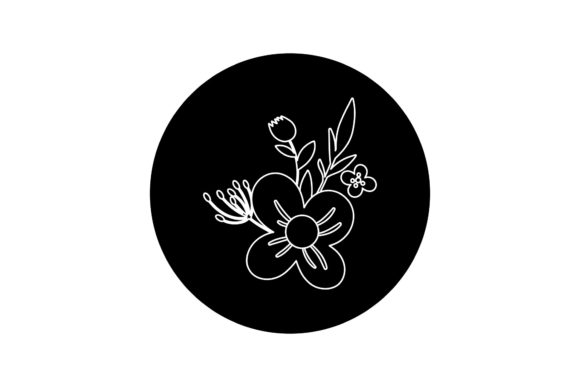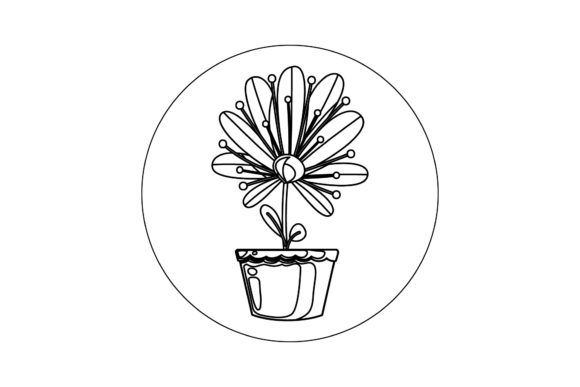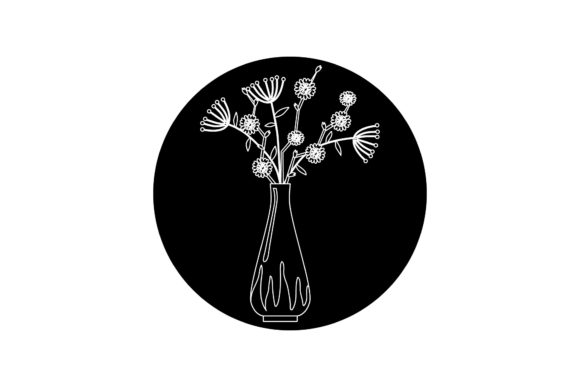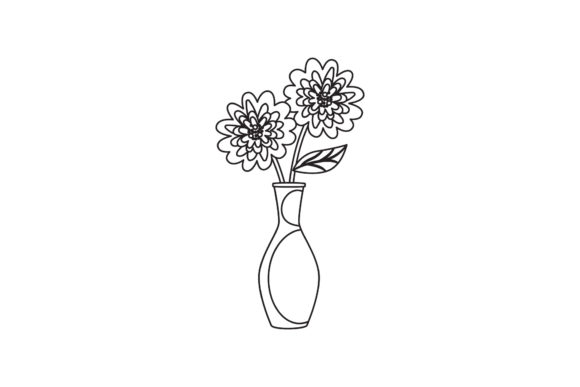
Flowers Vector Graphics and Freebies for Editorial Design
In the world of digital publishing, the difference between a content site that feels amateur and one that commands authority is often visual. As a blog designer who has spent years refining editorial layouts for high-traffic affiliate sites and niche publications, I have learned that readers make split-second decisions about trust based on aesthetics alone. This is why reviewing design assets like Flowers Vector is not just about finding pretty pictures; it is about evaluating how a graphic supports your brand identity and enhances user experience.
When I first encountered this design asset, my immediate reaction was to assess its versatility within a real-world publishing workflow. The prompt describes a flowers vector illustration available in 6 format type – AI File – EPS File – SVG File – DXF File – JPG File – PNG File Canvas Size 1920 px X 1280 pxin each type This design is easy to use and can be integrated into various projects. While the technical specifications are robust, the true value lies in how these files translate to screen. For a digital publisher, having multiple formats means you are not locked into a single workflow. You can edit the core vector data in Adobe Illustrator or Inkscape, or simply drop a high-resolution PNG into Canva for quick social media graphics. This flexibility is crucial for maintaining a consistent look across all your digital touchpoints.
The Editorial Mood and Visual Hierarchy
Visual communication is the backbone of content marketing. A strong first impression sets the tone for everything that follows. Flowers Vector creates an editorial mood that is likely fresh, organic, and inviting. Depending on the specific line weight and color palette of the vector, it can lean towards lifestyle-focused, professional, playful, or even feminine. Regardless of the exact nuance, floral elements naturally soften the digital space, making dense text blocks feel more approachable.
From a web design perspective, this asset helps establish a clear visual hierarchy. When used as a header or a section divider, the organic shapes of the flowers guide the eye naturally down the page. This is particularly effective for educational content, wellness blogs, or creative entrepreneurship guides where the goal is to keep the reader engaged without overwhelming them. By integrating this modern design element, you signal to your audience that your content is curated with care. It elevates the perceived value of your articles, newsletters, and downloadable resources.
Real Publishing Workflows: Where It Fits Best
I do not believe in using design assets in isolation. They must serve a functional purpose within your content strategy. Here is how I would deploy Flowers Vector across a typical publishing ecosystem:
- Blog Featured Images and Headers: The 1920 x 1280 pixel canvas size is ideal for standard blog headers. It provides enough resolution to look crisp on retina displays while leaving room for headline text overlay. Use it to create a consistent brand identity for your category pages.
- Pinterest Pins and Social Media Graphics: For content creators, Pinterest remains a massive traffic driver. The vector nature of the file allows you to scale it up or down without losing quality. You can add bold typography over the floral background to create clickable social media visuals that stand out in crowded feeds.
- Digital Guides and Lead Magnets: If you are creating a digital product, such as an eBook cover or a printable worksheet, this asset adds polish. A well-designed lead magnet increases opt-in rates because it looks like a premium resource rather than a hastily made PDF.
- Newsletter Banners: Email marketing requires clean, recognizable branding. Using the vector art as a banner top or footer accent helps maintain brand recognition across your email campaigns.
- Website Banners and Hero Images: For small business branding, a hero image featuring this floral design can immediately communicate the vibe of your online store or portfolio.
This adaptability makes it a powerful tool for affiliate marketers who need to create distinct visuals for different product reviews or comparison posts. By varying the layout but keeping the core design asset consistent, you build a stronger visual identity over time.
Supporting Content Performance
Investing time in good graphic design pays off in metrics. When your blog graphics look professional, your click-through potential improves. Readers subconsciously associate high-quality visuals with high-quality information. Furthermore, consistent use of design assets like Flowers Vector strengthens your brand identity. When a visitor sees your floral motif across your website, Pinterest, and Instagram, they begin to recognize your content instantly. This recognition builds reader trust, which is the currency of successful digital publishing.
Additionally, using vector files ensures that your website performance remains optimal. Unlike heavy raster images that can slow down load times, SVG files are lightweight code-based graphics. This contributes to better SEO and a smoother user experience, especially for mobile visitors who may be browsing on slower connections.
Strategic Placement and Careful Considerations
While Flowers Vector is versatile, it is not a one-size-fits-all solution. There are specific contexts where this design asset should be used carefully to avoid clutter or miscommunication.
- Small Mobile Thumbnails: Floral details can become muddy when scaled down to tiny sizes. Test the asset on mobile screens to ensure the key elements remain visible. If it becomes too busy, consider simplifying the crop or using a solid color block instead.
- Text-Heavy Blog Images: Avoid placing large amounts of text directly over complex floral patterns. This destroys readability. Instead, use the vector as a background accent with reduced opacity, or place it beside your text rather than behind it.
- Low-Contrast Backgrounds: Ensure there is sufficient contrast between the flowers and the background. If your website uses a light theme, dark or vibrant floral colors will pop. On a dark theme, you may need to adjust the asset’s brightness to maintain visibility.
- Serious Professional Niches: If you are writing for corporate content, legal advice, or serious financial news, a floral design might undermine your authority. In these cases, stick to minimal visual systems that convey stability and precision.
Practical Publisher Notes for Implementation
To get the most out of this freebie, follow these practical steps before deploying it live:
- Test Across Devices: Preview the design inside a real blog layout on both desktop and mobile. Check how it interacts with your existing typography.
- Font Pairing: Try placing the floral graphic beside serif fonts for a classic editorial look, sans serif fonts for a modern clean aesthetic, or script fonts for a more artistic, lifestyle feel. Review how the combination affects the overall balance.
- Contrast and Readability: Always check contrast ratios. Your headlines must be legible against the design. If necessary, add a semi-transparent overlay behind your text.
- File Size Optimization: Even though vectors are efficient, export JPGs and PNGs at the appropriate resolution for web use. Compress images properly to ensure fast loading speeds.
- Licensing Verification: Before using any design asset on monetized websites, affiliate pages, or paid content products, confirm commercial licensing. Most freebies allow commercial use, but some require attribution or restrict resale as standalone files. Ensure you are compliant with the terms to protect your business.
In conclusion, Flowers Vector is more than just a decorative element; it is a strategic component of your content marketing toolkit. By understanding its strengths and limitations, you can enhance your editorial design, improve your brand identity, and create a more engaging experience for your audience. Whether you are updating your website header or designing a new digital guide, this asset offers the flexibility and quality needed to elevate your online presence.