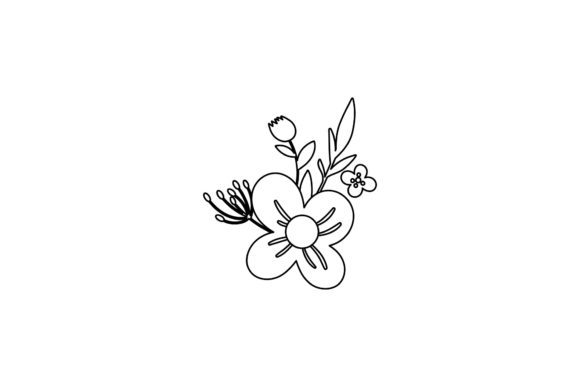
Flowers Spring White Line Style Review
As a designer who spends more time staring at stitch charts and fabric swatches than sleeping, I have learned to be skeptical of "pretty" vector graphics that look great on screen but fall apart under the needle. That is why I approached Flowers Spring White Line Style with a critical eye. The premise is simple: a clean, white-line vector graphic suitable for various design needs, from logos to apparel. But in the world of machine embroidery, simplicity is often the hardest thing to execute well. This review breaks down how this specific design asset performs when moved from a digital workspace to a real-world embroidery project.
First Impressions and Visual Personality
The moment you load Flowers Spring White Line Style into your digitizing software, the aesthetic speaks for itself. It carries a distinct springtime mood—light, airy, and botanical without being overly ornate. The line-art approach suggests a minimalist elegance that appeals heavily to modern handmade aesthetics. Unlike heavy fill-stitch florals that can feel dated or overwhelming, this design relies on negative space and delicate outlines to create its impact.
For designers targeting the Etsy seller market or running a boutique craft business, this visual personality is a strong asset. It feels professional yet approachable. It does not scream for attention; instead, it whispers quality. This subtlety is crucial for products like personalized gifts or nursery decor, where the buyer is looking for something timeless rather than trendy. The vector nature means the lines are crisp and openable, allowing for precise adjustments before any thread touches the fabric.
Real-World Application: The Tote Bag Scenario
To truly evaluate this design, we need to move beyond theory. Imagine you are preparing a custom embroidered tote bag for a spring pop-up shop. You want something that looks sophisticated enough to justify a higher price point but casual enough for everyday use. Flowers Spring White Line Style fits this niche perfectly. When placed centrally on a canvas tote, the white lines (assuming a dark fabric) create a striking contrast that highlights the intricate details of the floral arrangement.
However, consider the sweatshirt application. If you are embroidering this onto a heather grey or navy crewneck, the clean lines translate beautifully into satin stitches. The design avoids dense clusters that might cause puckering, making it ideal for larger garment areas like the chest or back. For an apron or kitchen towel, the same design brings a touch of rustic charm. It elevates a basic utility item into a thoughtful gift. The versatility here is not just about size; it is about how the linear style adapts to different product categories, from baby embroidery items like bonnets to commercial embroidery projects for corporate branding.
Technical Performance and Stitching Clarity
One of the biggest risks with line-style designs is that they can look thin or fragile once stitched. Flowers Spring White Line Style mitigates this risk by offering clear, distinct paths. When converted to an embroidery file, these lines typically translate well into satin stitches or fine running stitches, depending on your digitizer’s preferences. The key is maintaining consistent tension. Because the design is likely composed of single-layer lines rather than complex fills, it generally has a lower stitch count, which speeds up production time—a huge plus for small shop owners managing tight deadlines.
Stitch density is another factor. Linear designs often require less stabilizer support than heavy fill patterns, reducing the bulk in the final product. This makes Flowers Spring White Line Style excellent for lightweight fabrics or delicate materials where excessive stitching would distort the weave. However, if you are using it for an embroidered patch, you will need to add a proper border or backing to ensure durability. The design itself is clean, but the finishing touches determine whether the finished product looks amateur or professional.
Thread Colors and Contrast
The success of this design hinges entirely on thread color selection. As a white-line vector, it assumes a high-contrast background. On light fabrics, you must choose a thread color that pops—navy, forest green, or black work exceptionally well against cream or white cotton. On dark fabrics, white thread provides that classic nautical or minimalist look. Avoid low-contrast combinations, such as pale yellow on white, unless you are aiming for a very subtle, tonal effect. Always test your thread colors on scrap fabric first to ensure the visual appeal matches your vision.
Where to Use Carefully
While versatile, this design is not a one-size-fits-all solution. There are specific scenarios where caution is advised:
- Small Hoop Sizes: If the floral elements are too close together, shrinking the design for a tiny hoop may cause the lines to merge, losing their definition. Check the minimum viable size before committing.
- Textured Fabrics: Rough textures like burlap or thick fleece can obscure fine lines. This design shines on smooth surfaces like denim, twill, or jersey knit.
- Curved Surfaces: Embroidering this on caps or hats requires careful hooping to prevent distortion. The linear style is forgiving, but severe curvature can stretch the lines unevenly.
- Dense Stitch Areas: While the design itself is light, adding heavy borders or text around it can create a cluttered look. Let the design breathe.
Impact on Brand and Customer Trust
In the competitive landscape of handmade products, presentation is everything. A clean, well-executed embroidery project signals attention to detail. Flowers Spring White Line Style, when stitched correctly, enhances brand consistency by offering a recognizable, elegant motif. Customers associate clean stitching with quality care. This is particularly important for digital product sellers who provide printable mockups; showing this design on a high-quality garment increases perceived value and buyer engagement.
Furthermore, the adaptability of this vector graphic allows for creative variations. You can scale it, rotate it, or combine it with other design assets to create unique collections. This flexibility supports a broader range of custom apparel options, from wedding gifts to holiday embroidery themes. By using a reliable, well-structured base design, you reduce the risk of technical errors, ensuring that your reputation remains intact.
Practical Designer Notes
Before integrating Flowers Spring White Line Style into your production workflow, keep these practical tips in mind:
- Test on Scrap Fabric: Always run a test stitch-out to check tension and alignment.
- Review Stitch Density: Ensure the digitized file does not have overly dense areas that could cause needle breakage or fabric damage.
- Confirm Licensing: Since this is listed under Freebies and Graphics, verify the specific license terms. Confirm whether you can use it for commercial purposes, especially if selling finished products or digital embroidery files.
- Use Proper Stabilizer: Even for light designs, appropriate stabilizer prevents shifting and ensures crisp edges.
- Inspect Small Details: Zoom in on the vector file to ensure no overlapping paths exist that could confuse the digitizing software.
Ultimately, Flowers Spring White Line Style is a solid choice for designers seeking a versatile, elegant floral element. It bridges the gap between digital simplicity and physical craftsmanship, offering a reliable foundation for everything from personal hobbies to profitable craft business ventures. Just remember: the best embroidery starts with careful planning and ends with precise execution.