Flowers Cute Vectors: A Designer’s Review for Graphics and Illustrations
When a client approaches me with a request for a brand identity that feels approachable, whimsical, yet professional, I immediately think about the power of illustrative elements. For a recent project involving a boutique candle line targeting young adults and handmade enthusiasts, I needed visual assets that could bridge the gap between organic texture and digital precision. This is where Flowers Cute Vectors entered my workflow. As an experienced graphic designer, I do not simply buy assets; I evaluate them for scalability, editability, and emotional resonance. After testing these files in a real-world branding scenario, here is my practical assessment of how this design asset performs.
The First Impression: Mood and Style Analysis
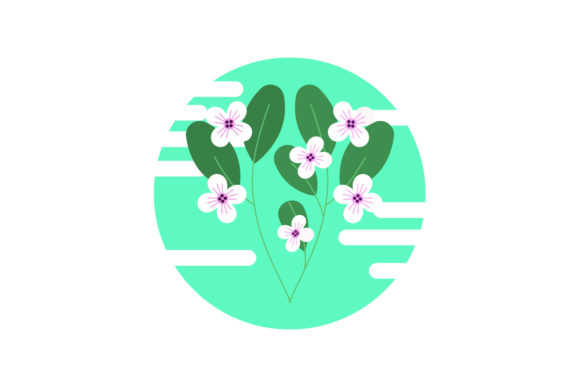
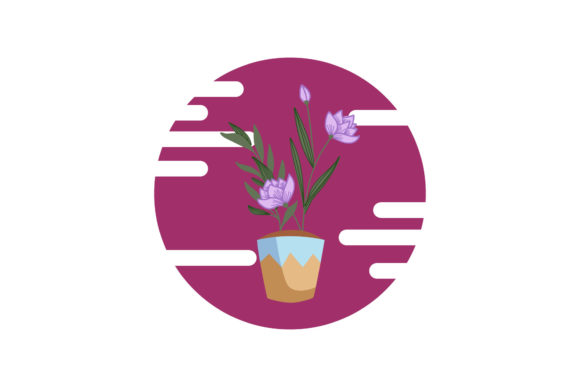
Upon opening the Flowers Cute Vectors file, the immediate takeaway is the delicate balance between playfulness and structure. The style leans heavily into modern illustration trends—soft lines, rounded forms, and a color palette that suggests freshness without being overwhelming. It creates a mood that is inherently welcoming, which is crucial for brands looking to build trust quickly. Unlike rigid corporate icons, these illustrations feel hand-crafted but retain the mathematical perfection required for vector graphics. This makes them ideal for projects ranging from social media graphics to physical product packaging. The visual language speaks directly to audiences who appreciate artisanal quality, making it a strong candidate for small business branding or creative marketplace listings.
Real-World Application in Client Projects
In the context of the candle brand project, I used these vectors to develop a cohesive visual system. Here is how they performed across different deliverables:
- Logo Design and Brand Identity: The individual flower elements can be isolated and combined to create a unique logo mark. Because they are vector files, openable and editable, I could adjust the petal curvature to match the client’s specific font choices. They work exceptionally well as part of a larger emblem or as standalone icons for social media profiles.
- Packaging Design and Product Labels: For the candle labels, I layered the floral illustrations over textured backgrounds. The clean edges of the vector allowed for crisp printing, ensuring that even at small sizes on jar labels, the details remained sharp. This is critical for packaging design, where shelf presence depends on clear visual hierarchy.
- Merchandise and T-Shirt Design: When preparing mockups for tote bags and apparel, the scalability of the SVG design was evident. I resized the graphics from tiny buttons to large print areas without any loss of quality. The "cute" aesthetic translates perfectly to t-shirt design and lifestyle products, appealing to consumers who value expressive, fun fashion.
- Digital Marketing and Social Media: I utilized the flowers as decorative accents in Instagram posts and Pinterest pins. They helped break up text-heavy layouts and added a layer of visual interest that encourages engagement. As marketing visuals, they provide a consistent theme that ties disparate campaign elements together.
Strategic Placement: Where They Shine and Where to Pause
Not every design element fits every layout. Understanding the limitations of Flowers Cute Vectors is just as important as knowing their strengths. These illustrations excel in large layout areas, hero graphics, and as supporting brand elements. They add warmth to empty spaces and guide the eye toward key information.
However, caution is advised in certain contexts. In minimalist branding projects that rely on stark negative space, these detailed illustrations might compete rather than complement. Similarly, in crowded layouts or complex backgrounds, the delicate lines may get lost, reducing readability. If you are designing for a professional corporate environment that demands strict visual hierarchy and seriousness, these assets may feel too informal. They are best suited for handmade businesses, lifestyle brands, educational materials, and creative industries where emotional appeal takes precedence over austere professionalism.
Technical Considerations for Professional Use
Before integrating any design asset into a commercial project, a rigorous technical check is non-negotiable. Here is my checklist for using Flowers Cute Vectors:
- File Format Inspection: Verify that you have access to the native vector format (such as AI, EPS, or SVG). This ensures you can manipulate anchor points and colors to match your client’s brand guidelines exactly. Raster formats like PNG are useful for quick previews but lack the editability required for high-end commercial design.
- Contrast and Readability Testing: Always preview the graphics on both light and dark backgrounds. Test them in black and white to ensure the shapes hold up without color support. Check how they interact with your chosen typography—whether it is a serif font, sans serif font, or script font—to maintain a balanced visual hierarchy.
- Scale Verification: Preview the assets at 10% and 500% of their original size. Look for jagged edges or unintended gaps in the strokes. For print-on-demand applications, test print a small section to ensure the ink coverage does not muddy the fine details.
- Licensing Confirmation: Ensure you have the appropriate commercial license for your intended use. Whether you are creating an Etsy product, a sublimation design, or a final client deliverable, understanding the usage rights protects both you and your client from legal issues.
Impact on Audience Engagement and Trust
The psychological impact of using cute, floral illustrations should not be underestimated. These elements trigger positive emotional responses, associating the brand with nature, growth, and care. For a small business owner, this emotional connection can drive customer loyalty. When a customer sees these illustrations on a package or a website, it signals that attention has been paid to detail and aesthetics. This builds visual trust and recognition, making the brand feel more memorable in a saturated market.
Furthermore, the versatility of these vectors allows for dynamic content creation. You can animate them for web design, use them in Canva templates for client marketing kits, or incorporate them into editorial design for blogs and magazines. Their adaptability makes them a valuable addition to any design bundle or creative toolkit.
Final Verdict
Flowers Cute Vectors is more than just a collection of pretty images; it is a functional tool for modern designers. Its ability to be opened, edited, and resized without losing quality makes it suitable for a wide array of digital products and printable designs. While it requires thoughtful placement to avoid cluttering complex layouts, its potential to elevate a brand’s visual mood is significant. For designers working on projects that require a blend of charm and professionalism, these assets offer a reliable foundation for creative design. Just remember to test thoroughly, respect licensing agreements, and always prioritize the overall narrative of your client’s brand.