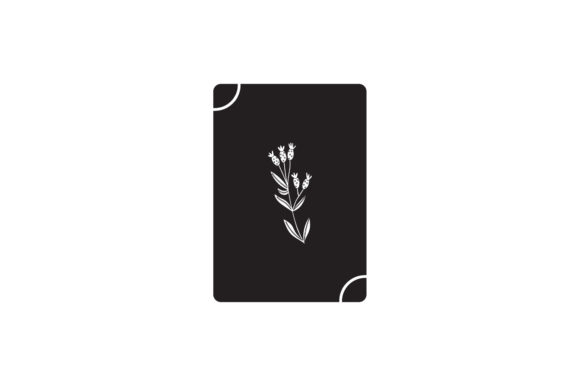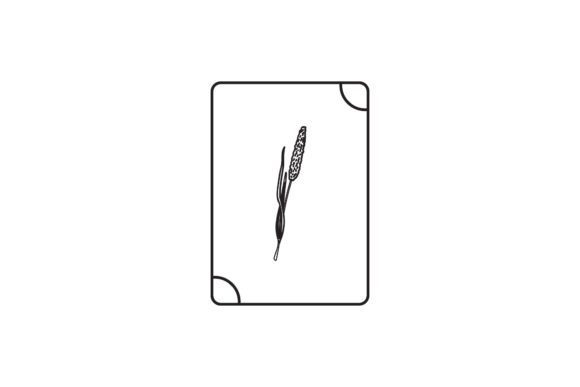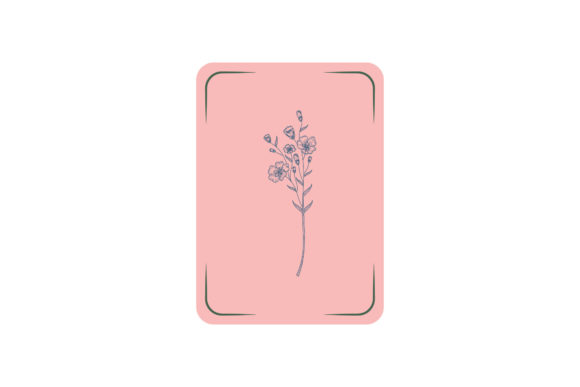
Flowers Card Vector White Line Styles Review
As a designer who spends more time than I care to admit staring at stitch patterns and fabric swatches, I have learned to be skeptical of any graphic that promises versatility without showing its work. When I first encountered Flowers Card Vector White Line Styles, my initial instinct was to look for the catch. In the world of digital design assets, "white line" often implies a lack of substance or a design that relies too heavily on negative space, which can be a nightmare in physical media like embroidery. However, after putting this vector through its paces—mentally mapping it out for production and reviewing its structural integrity as a potential machine embroidery design—I found myself pleasantly surprised by its quiet confidence.
This isn't just another generic floral clipart file. It is a carefully considered piece of Illustrations and Graphics that speaks to the modern maker. The aesthetic is clean, minimalist, and undeniably chic. But does it hold up when translated from a screen to a needle? That is the question every Etsy seller, small business owner, and craft enthusiast needs to answer before committing to a production run. Here is my practical evaluation of how Flowers Card Vector White Line Styles performs in real-world application.
The First Impression: Mood and Visual Personality
The moment you open the vector file, the mood is established immediately. There is no clutter here. The white line work creates a sense of airiness and elegance that feels perfectly suited for contemporary branding. Unlike heavy, dense florals that can feel dated or overly rustic, these lines are crisp and deliberate. They suggest sophistication without shouting for attention.
For a handmade product creator, this visual personality is gold. It bridges the gap between luxury boutique aesthetics and approachable handmade charm. Whether you are designing for a high-end wedding gift or a casual baby shower favor, the theme remains consistent. The layout allows the eye to travel smoothly across the design, making it an excellent candidate for placement where balance is key, such as the center chest of a sweatshirt or the front panel of a tote bag. It doesn't compete with other elements; it complements them, which is crucial for maintaining brand consistency in a crowded marketplace.
Real-World Application: From Screen to Stitch
Let’s talk about a specific scenario. Imagine you are preparing a custom order for a client who wants a personalized apron for their new bakery. You need something that looks professional but also feels warm and inviting. Flowers Card Vector White Line Styles fits this brief perfectly. The delicate lines would translate beautifully into a satin stitch outline, creating a raised, tactile edge that adds dimension to the fabric.
I envision this design excelling on natural linen or heavy cotton canvas. The contrast between the dark fabric and the white thread (or a contrasting pastel) would make the line work pop. For a tote bag design, placing this vector on a neutral canvas bag creates an instant statement piece. It elevates a simple commodity into a fashion accessory. Similarly, for sweatshirt embroidery, using a lighter thread color against a heather grey or black hoodie would give the garment a subtle, textured detail that customers appreciate because it doesn't overwhelm the silhouette.
In the realm of baby embroidery, this design offers a gentle alternative to loud prints. A onesie or a muslin blanket featuring these fine lines exudes tenderness. It suggests care and attention to detail, qualities that parents value highly. When used on a pillow cover or kitchen towel, the design brings a touch of curated style to home decor, proving its versatility as a commercial embroidery asset.
Where Caution Is Required
No design is perfect for every situation, and transparency is key for any experienced reviewer. While Flowers Card Vector White Line Styles is elegant, there are technical constraints you must consider. Because the design relies on line art, it demands precision. If you attempt to digitize this for a very small hoop size, you risk losing the integrity of the curves. Tiny details can merge together if the stitch count is not managed carefully, leading to a muddy appearance rather than a crisp line.
Furthermore, fabric texture plays a massive role. On highly textured fabrics like bouclé or thick chenille, the fine lines may get lost or distorted. Thin or stretchy knits require proper stabilization to prevent puckering, especially if you use a high-density stitch density to reinforce the lines. I strongly advise testing the design on scrap fabric first. Check how the thread colors interact with your base material. On dark fabrics, ensure your white thread has enough opacity to stand out without requiring excessive layers that could stiffen the fabric.
Avoid placing this design on curved surfaces like the front of a baseball cap unless you have significant experience with curved hooping. The linear nature of the artwork can become visually disjointed if the perspective shifts too drastically. Additionally, if your product requires frequent washing, such as a custom apparel item worn daily, ensure that the stitching method used (whether satin stitch or running stitch) is durable enough to withstand friction without fraying.
Impact on Product Value and Customer Trust
In the digital age, presentation is everything. Buyers on platforms like Etsy or Shopify judge the perceived value of a product within seconds. A well-executed embroidery project signals quality. When a customer sees that Flowers Card Vector White Line Styles has been stitched cleanly, with even tension and precise corners, it builds trust. It tells the buyer that the seller cares about the details.
This design enhances giftability. Its neutral yet decorative nature makes it suitable for almost any occasion—birthdays, holidays, weddings, or corporate gifts. It is versatile enough to serve as a personalized gift with added monograms, provided those additions are balanced with the main vector. For digital product sellers, offering mockups that showcase this design on various backgrounds helps buyers visualize the final result, increasing conversion rates. The clean lines allow for easy integration into printable mockups and design assets portfolios.
Practical Notes for the Embroidery Designer
Before you load this file into your machine or send it to a digitizer, keep these tips in mind:
- Test on Scrap Fabric: Always run a test stitch-out to check for tension issues and thread breakage.
- Check Contrast: Ensure the thread color provides sufficient contrast against your chosen fabric. White lines on white fabric will disappear.
- Review Stitch Density: Avoid over-stitching the lines. Too much density can cause the fabric to pucker and distort the delicate shape.
- Confirm Hoop Size: Make sure the design fits comfortably within your standard hoop sizes to avoid awkward trimming.
- Inspect Small Details: Zoom in on the vector to identify any tiny loops or sharp angles that might be difficult to stitch accurately.
- Use Proper Stabilizer: Choose a stabilizer that matches the weight and stretch of your fabric to support the design during stitching.
- Licensing Check: Verify the license terms before selling finished items. Confirm whether the purchase allows for commercial use of the finished product.
Ultimately, Flowers Card Vector White Line Styles is a sophisticated choice for designers who want to add a touch of refined elegance to their craft business. It is not a flashy, trend-chasing design, but rather a timeless piece that focuses on clarity and form. By understanding its strengths and respecting its limitations, you can create stunning embroidered patches, holiday embroidery pieces, and small shop products that resonate with customers looking for quality and style. It is a tool that, when used wisely, can significantly elevate your brand’s visual identity.