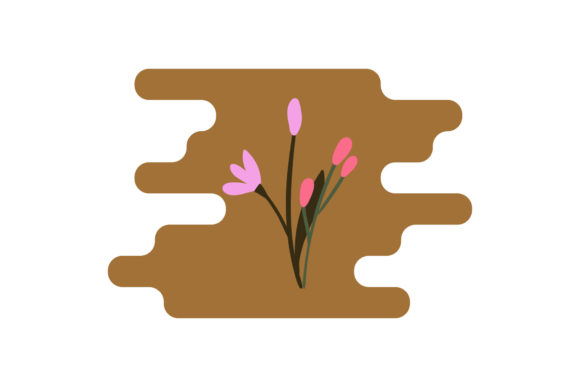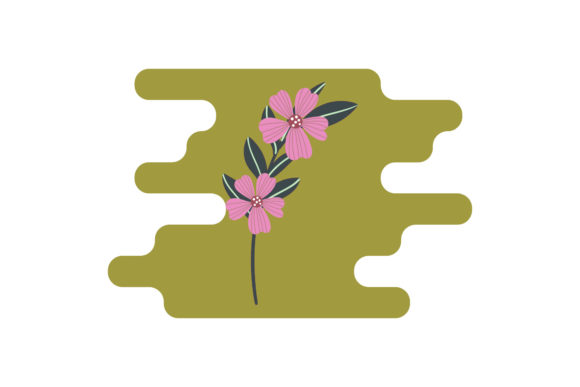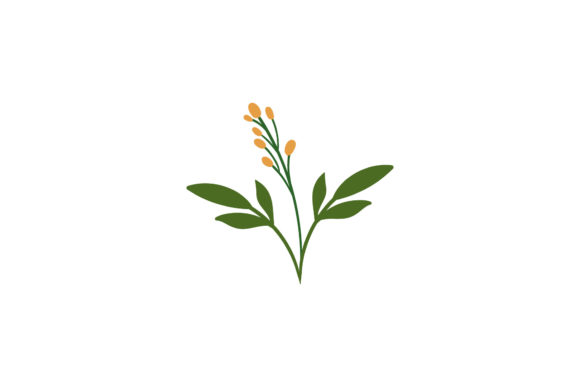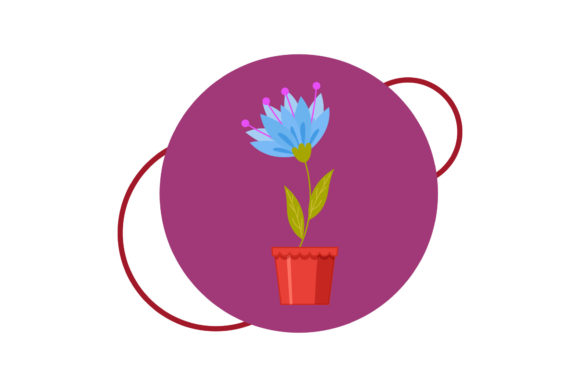
Flowers Botanical Illustrations: Essential Graphics for Editorial Design
In the world of digital publishing, visual communication is not merely decorative; it is a critical component of reader retention and trust. As a blog designer and digital publisher who has spent years refining website aesthetics and content workflows, I have learned that the difference between a scroll-past and a click-through often comes down to the quality of your graphic design asset. Today, I am reviewing a specific resource that has found its way into my editorial toolkit: Flowers Botanical Illustrations. This collection of vector-based visuals offers a compelling solution for creators looking to elevate their blog graphics, newsletter headers, and downloadable resources.
The first impression of these illustrations is one of refined elegance. They do not scream for attention with loud, saturated colors but rather whisper authority and taste through delicate lines and natural forms. For publishers in niches such as lifestyle, wellness, gardening, or creative entrepreneurship, this aesthetic creates an immediate sense of calm and professionalism. It suggests that the content behind the image is equally polished. When you deploy Flowers Botanical Illustrations on your site, you are signaling to your audience that you care about detail. This subtle cue can significantly enhance reader trust and establish a cohesive brand identity across all your touchpoints.
Integrating Botanical Visuals Into Real Publishing Workflows
One of the most common challenges I face is maintaining visual consistency across multiple platforms. A blogger might need a featured image for a WordPress post, a square crop for Instagram, a vertical pin for Pinterest, and a banner for an email newsletter. Creating unique assets for each of these from scratch is time-prohibitive. This is where the versatility of vector files becomes invaluable. Because these designs are openable, editable, and resizable without loss of quality, they fit seamlessly into modern content marketing workflows.
Consider the scenario of launching a new digital guide or lead magnet. You need a cover that looks professional enough to justify the value of the information inside. Using Flowers Botanical Illustrations as the central element allows you to frame your headline text cleanly. The organic shapes provide a soft backdrop that does not compete with typography, ensuring that your message remains the focal point. Similarly, when designing a media kit to pitch to sponsors, these illustrations convey a level of sophistication that generic clip art simply cannot match. They help position your brand as a serious player in the creative marketplace.
Elevating Social Media and Affiliate Content
Social media is the engine of discovery for many independent publishers. On platforms like Pinterest, where visual search drives significant traffic, the aesthetic quality of your pins directly impacts click-through rates. Flowers Botanical Illustrations are particularly effective here. Their intricate details reward close viewing, which keeps users engaged with your graphic longer. When used in Pinterest pin designs, they can be paired with bold, sans-serif fonts to create a striking contrast that stands out in crowded feeds.
Furthermore, for affiliate marketers, the perceived value of a recommendation is tied to the presentation. If you are writing a review for a product related to home decor or self-care, using these botanical elements helps curate a mood that aligns with the product’s ethos. It transforms a simple product shot into a lifestyle moment. By integrating these social media graphics into your strategy, you support a more immersive user experience that encourages sharing and saving.
Technical Advantages for Web Performance and Editing
From a technical standpoint, the fact that these assets are vectors is a game-changer for web designers. Unlike raster images (JPGs or PNGs) which can become pixelated when scaled up, vector files maintain their crispness at any resolution. This means you can use a small icon as a bullet point in a list and a large header background without worrying about quality degradation. This flexibility supports a robust visual hierarchy, allowing you to guide the reader’s eye through your content effectively.
Additionally, because the files are editable, you can adapt them to fit specific color palettes. If your brand undergoes a slight shift, or if you want to create seasonal variations (such as shifting from spring pastels to autumnal tones), you can adjust the hues within the illustration software. This reduces the need to purchase new assets every quarter, making it a cost-effective choice for small business branding and long-term web design projects.
Compatibility With Modern Design Tools
Many publishers rely on drag-and-drop builders like Canva or Squarespace to manage their sites. These botanical illustrations integrate beautifully into such environments. You can layer them over solid backgrounds, use them as masks for photos, or place them beside serif fonts to create a classic, editorial look. The ability to manipulate these design assets freely ensures that your editorial design remains unique and not template-dependent.
Strategic Placement and Visual Hierarchy
To get the most out of Flowers Botanical Illustrations, strategic placement is key. They excel as accents rather than overwhelming centerpieces. Here is how I recommend deploying them for maximum impact:
- Article Headers and Hero Images: Use a large, detailed flower arrangement as a background element with a dark overlay. This creates depth and makes white text pop, improving readability while adding artistic flair.
- Newsletter Graphics: Incorporate smaller floral elements in the header or footer of your emails. This reinforces brand recognition and adds a personal, handcrafted touch to automated communications.
- Digital Guides and Worksheets: Use these illustrations to break up dense text. A well-placed botanical divider or corner accent can make a PDF feel like a premium digital download rather than a basic document.
- Category Thumbnails: If your blog covers multiple topics, assign a specific floral motif to each category. Over time, readers will subconsciously associate certain flowers with certain types of content, aiding in faster navigation.
Cautions for Professional Niches
While these illustrations are versatile, they are not a universal fit. Publishers in highly corporate, legal, or financial sectors may find the organic, artistic nature of Flowers Botanical Illustrations too informal. In such cases, the playful or feminine undertones might clash with the required tone of seriousness. Additionally, avoid using these assets on busy layouts or low-contrast backgrounds where the fine lines of the illustrations might get lost. Always test your designs on mobile devices to ensure that the details remain visible on smaller screens.
Practical Publisher Notes for Implementation
Before incorporating these assets into your live site, follow these practical steps to ensure optimal performance:
- Test Across Devices: Preview your graphics on desktop, tablet, and mobile. Ensure that the resolution holds up and that no critical details are cropped out on narrower screens.
- Check Contrast and Readability: Place your headline text over the illustration. If the text becomes hard to read, add a semi-transparent shape behind it or reduce the opacity of the graphic.
- Font Pairing: Experiment with different typefaces. These illustrations pair well with elegant serifs for a traditional look, clean sans-serifs for a modern feel, and even handwritten fonts for a personal touch.
- Optimize File Size: Even though vectors are scalable, exporting them for the web requires optimization. Use tools to compress the final output to improve page load speeds, which is crucial for SEO and user experience.
- Verify Licensing: Always confirm the commercial license terms. Ensure you are permitted to use the graphics on monetized websites, affiliate pages, and paid products. Proper licensing protects your commercial design efforts from legal issues.
Conclusion: A Smart Investment for Content Creators
In conclusion, Flowers Botanical Illustrations offer more than just pretty pictures; they provide a structural advantage for anyone serious about editorial design. By enhancing your website header aesthetics, supporting your affiliate marketing visuals, and elevating your printable design offerings, these assets contribute to a more professional and trustworthy online presence. For bloggers and digital publishers willing to invest time in thoughtful visual curation, these illustrations are a powerful tool in the quest for higher engagement and stronger brand loyalty.